Rewari News: शहर को स्वच्छ बनाने के लिए रखे जाएंगे 230 नए डस्टबिन
Rewari's Commitment to Cleanliness: A New Era of 230 Dustbins
Rewari is stepping up its game in the pursuit of a cleaner and more hygienic urban environment. In a significant move towards beautifying the city and combating the persistent issue of littering, the municipal authorities have announced the installation of 230 brand new dustbins across various prominent locations. This initiative, a testament to the city's growing commitment to public health and environmental sustainability, is expected to bring about a visible transformation in the cityscape. The placement of these dustbins will be strategic, focusing on high-traffic areas such as markets, public parks, bus stands, railway stations, and residential colonies. The aim is not just to provide a place for waste disposal but to instill a sense of civic responsibility among the residents. Proper waste management is the cornerstone of a healthy city, and this influx of new receptacles is a crucial step in that direction. The project underscores the administration's dedication to ensuring that Rewari not only remains a historically significant city but also a model of modern urban planning and civic consciousness. Residents are encouraged to utilize these bins effectively, thereby contributing to a cleaner Rewari for everyone.
Key Objectives and Expected Outcomes
The primary objective behind this ambitious project is to significantly reduce the amount of scattered garbage and prevent the formation of illegal dumping sites. By providing an adequate and accessible infrastructure for waste disposal, the authorities hope to encourage proper waste segregation at the source, leading to more efficient collection and processing. The expected outcomes are manifold: a noticeable decrease in environmental pollution, improved aesthetic appeal of public spaces, and a healthier living environment for all citizens. Furthermore, the initiative aims to foster a culture of cleanliness, where discarding waste responsibly becomes a norm rather than an exception. The success of this project will hinge on the active participation of the community. The government plans to launch awareness campaigns to educate the public about the importance of using dustbins and the correct methods of waste disposal. This includes sensitizing people about the long-term benefits of a clean environment, such as reduced disease transmission and a more pleasant ambiance for tourists and locals alike. The introduction of these 230 dustbins is more than just an infrastructural upgrade; it's an investment in the future well-being of Rewari.
Details of the Installation and Future Plans
The procurement process for the 230 dustbins has been completed, and the installation is set to commence shortly. The types of dustbins being introduced are designed to be durable and suitable for public use, with considerations for ease of emptying and maintenance. Special attention will be given to ensuring that different types of waste can be segregated if the plan includes provisions for dual bins in certain locations. The municipal corporation has outlined a comprehensive plan for the regular collection and disposal of waste from these new dustbins, ensuring that they do not overflow and become a nuisance. Beyond this immediate deployment, the city administration is exploring long-term waste management strategies. This includes exploring options for waste-to-energy plants and advanced recycling facilities. The vision is to move towards a circular economy model where waste is seen as a resource. This project is a foundational step, and the city looks forward to further enhancements in its waste management infrastructure. The positive impact of these new dustbins is anticipated to be substantial, paving the way for a cleaner, greener, and healthier Rewari.
The Need for Enhanced Waste Management in Rewari
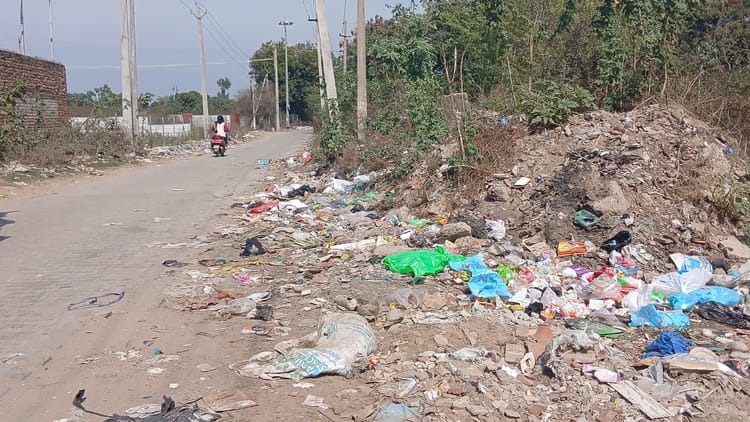
Rewari, a city with a rich heritage and a growing urban population, has been grappling with the challenges of effective waste management. In recent times, the indiscriminate dumping of garbage in public areas has become a growing concern, impacting the city's aesthetic appeal and posing significant health risks. The existing infrastructure for waste disposal, while functional, has often proven insufficient to cater to the increasing volume of waste generated by the city's inhabitants and commercial activities. This has led to overflowing bins, scattered litter on streets and in open spaces, and a general decline in the cleanliness quotient of many localities. The installation of 230 new dustbins is a direct response to this pressing need. This significant increase in the number of waste receptacles aims to provide citizens with readily accessible points for disposing of their refuse, thereby discouraging the practice of littering. The focus is on creating a more organized and systematic approach to waste collection, which is fundamental for maintaining urban hygiene. A cleaner city not only enhances the quality of life for its residents but also contributes to its economic viability by attracting tourism and investment. The initiative reflects a proactive stance by the local administration to address environmental issues and promote sustainable urban development. The benefits of a cleaner Rewari extend beyond mere aesthetics; they are deeply intertwined with public health and ecological balance.
Community Engagement and Civic Responsibility
The success of this ambitious project to install 230 new dustbins hinges significantly on the active participation and cooperation of the citizens of Rewari. While the municipal corporation is providing the necessary infrastructure, it is the collective responsibility of the community to utilize these facilities wisely and conscientiously. The administration recognizes that simply placing dustbins will not automatically solve the problem of littering. Therefore, alongside the installation, there will be a concerted effort to raise public awareness regarding the importance of waste segregation and proper disposal. Educational campaigns, workshops, and outreach programs will be organized to sensitize residents about the detrimental effects of improper waste disposal on the environment and public health. The aim is to foster a sense of civic pride and responsibility, encouraging individuals to view cleanliness as a shared endeavor. Residents are urged to make full use of the new dustbins and to discourage others from littering. By embracing responsible waste management practices, citizens can play a crucial role in transforming Rewari into a cleaner and healthier city. The government believes that by working together, the vision of a spotless Rewari can be achieved, creating a more pleasant and sustainable living environment for all.
Strategic Placement for Maximum Impact
The placement of the 230 new dustbins has been meticulously planned to ensure maximum coverage and impact across the city. The municipal authorities have identified key areas where the need for additional waste disposal facilities is most acute. This includes, but is not limited to: busy commercial hubs and marketplaces, public transport terminals like bus stops and the railway station, educational institutions and their surrounding areas, public parks and recreational spots, and densely populated residential colonies. Emphasis will be placed on placing these bins at strategic points that are easily visible and accessible to the public, such as near shops, entry and exit points of parks, and along main roads. The selection criteria also consider the volume of foot traffic and the current prevalence of littering in these zones. For instance, areas known for street food vendors or markets with high consumer activity will receive a greater number of dustbins. The objective is to make it convenient for everyone to dispose of their waste responsibly, thereby minimizing the chances of it ending up on the streets. This thoughtful placement is a crucial component of the overall strategy to enhance the city's cleanliness and promote a culture of responsible waste management. The authorities are confident that these measures will contribute significantly to a cleaner and more visually appealing Rewari.
A Step Towards a Sustainable Rewari
The initiative to introduce 230 new dustbins in Rewari is more than just a civic upgrade; it represents a significant stride towards creating a more sustainable and environmentally conscious city. In an era where environmental protection is paramount, Rewari is taking proactive steps to manage its waste effectively. This influx of new dustbins is the first layer in a multi-faceted approach to waste management that aims to reduce the burden on landfills and promote recycling. The long-term vision of the municipal corporation extends beyond simply collecting waste; it encompasses responsible disposal, recycling, and potentially, waste-to-energy solutions. By providing adequate facilities, the city is laying the groundwork for improved waste segregation at the source, a critical step in making recycling processes more efficient and cost-effective. The environmental benefits are substantial, ranging from reduced soil and water pollution to a decrease in greenhouse gas emissions associated with decomposing waste. This proactive stance on environmental management is crucial for the long-term health and well-being of the city and its inhabitants. The commitment to a cleaner Rewari is a commitment to a healthier future.
Impact on Public Health and Hygiene
The presence of scattered garbage and overflowing waste bins poses a significant threat to public health and hygiene. Diseases borne from unmanaged waste, such as dengue, malaria, and various gastrointestinal infections, can spread rapidly in environments with poor sanitation. The installation of 230 new dustbins is expected to have a direct and positive impact on the city's health landscape. By providing readily available and adequate facilities for waste disposal, the initiative aims to drastically reduce the breeding grounds for disease-carrying insects and rodents. This will lead to a healthier living environment for all residents, particularly children and the elderly, who are more vulnerable to such ailments. Moreover, a cleaner city contributes to improved mental well-being, reducing stress and enhancing the overall quality of life. The administration's focus on cleanliness is, therefore, an investment in the health and happiness of its citizens. Promoting hygienic practices is a collective responsibility, and these new dustbins serve as a tangible reminder of this duty. The long-term goal is to minimize preventable diseases and create a more robust public health system for Rewari.
Future Prospects and Citizen Involvement
The introduction of 230 new dustbins is a foundational step, and the Rewari municipal authorities are committed to continuous improvement in waste management practices. Discussions are reportedly underway regarding advanced waste management technologies, including potential projects for scientific landfill management and the exploration of waste-to-energy conversion plants. The aim is to transform Rewari into a model city for sustainable waste management. Citizen involvement is crucial for the sustained success of these initiatives. The government is planning to leverage social media platforms and local community groups to disseminate information and encourage participation in cleanliness drives. Furthermore, feedback mechanisms will be established to allow residents to report issues related to waste management and suggest improvements. This collaborative approach ensures that the city's development plans are aligned with the needs and aspirations of its people. Rewari's journey towards a cleaner future is a shared one, and the active engagement of every citizen will be the driving force behind its success. The hope is that this initiative will foster a sense of ownership and pride among residents, leading to a lasting commitment to a clean and green Rewari.